Water resistance is a rating, not a capability, and it is the single most consequential number on any watch you plan to get wet. A watch marked 100 m is not built for 100 m of swimming; under ISO 6425 it is tested at 125% of its rated depth, and a “diver’s watch” only has to clear 100 m to earn the label at all. Everything else in watch care — servicing intervals, strap choice, magnetic exposure, how you store the thing — follows from understanding what the manufacturer actually promised and what they didn’t.
What the depth rating on the dial actually means
The number on the caseback is a laboratory figure, not a dive plan. ISO 6425, the standard that governs divers’ watches, sets the floor at 100 m (10 bar, 1.0 MPa) of rated depth resistance, and the verification test applies 125% of that rating as static pressure — so a 100 m watch is tested at the equivalent of 125 m. A 300 m diver is tested at 375 m of static water, or 37.5 atm. These are static, controlled conditions in a pressure vessel, not the dynamic reality of a cannonball into a pool.
That gap matters because pressure spikes. A watch rated to 100 m that survives a pressure-chamber test at 125 m is not necessarily going to shrug off the momentary overpressure of hitting water at speed, or a gasket that has stiffened with age and sunscreen. The rating describes a new watch in good condition passing a defined test; it does not describe your watch after four summers of chlorine.
Watches below the diving-watch threshold still carry ratings, and those ratings are honest but narrower. A watch marked 30 m or 50 m is generally splash-resistant and no more — fine for handwashing, not for swimming. The confusion arises because the numbers look generous. They are not; they are the pressure equivalent the case survived in a test rig, converted to a depth figure for marketing. Treat anything under 100 m as rain protection.
One genuine oddity in the standards: the simulated immersion conditions used for ISO 6425 divers’ watches in routine use specify 100 m of water for 1 hour per day followed by 3 m of water for 3 hours per day. That is a test regime, not a description of how anyone dives. It tells you the standard is checking sustained exposure as well as peak pressure, which is why a properly certified diver’s watch holds up to repeated immersion in a way a fashion watch with a big number on the dial does not.
Screw-down crowns, pushers, and the parts that let water in
Water almost never enters through the case metal. It enters through the crown, the caseback gasket, the crystal seal, or — on a chronograph — the pushers. A screw-down crown is the single most effective defence, because it compresses a gasket under deliberate force rather than relying on a spring and a friction fit. If your watch has one, use it every time; a crown left unscrewed is an open door, and the rating on the dial is void the moment it is.
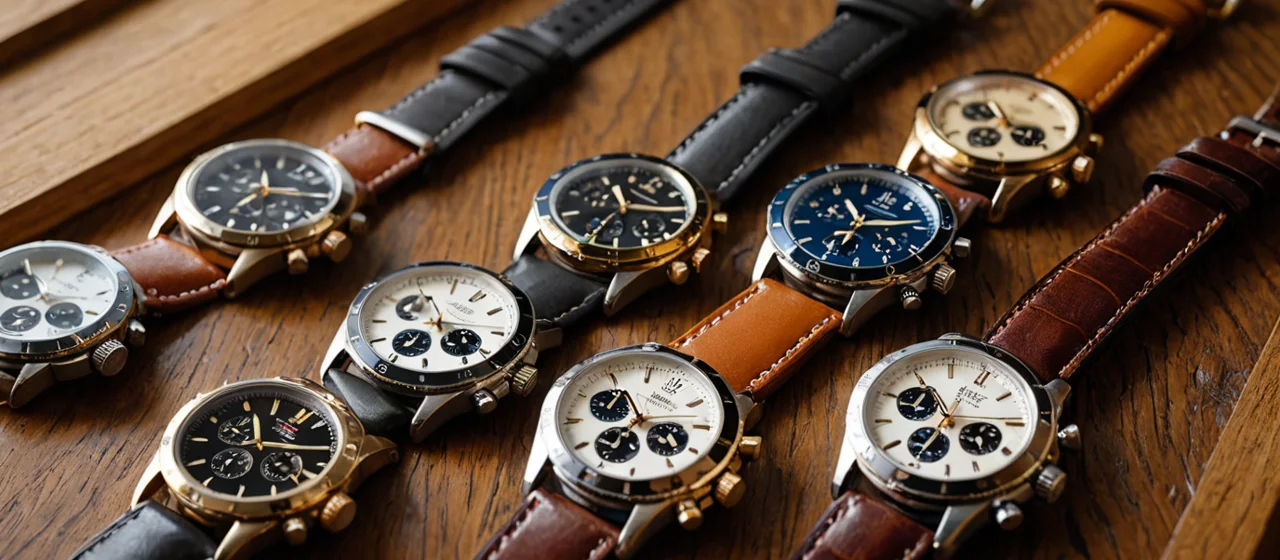
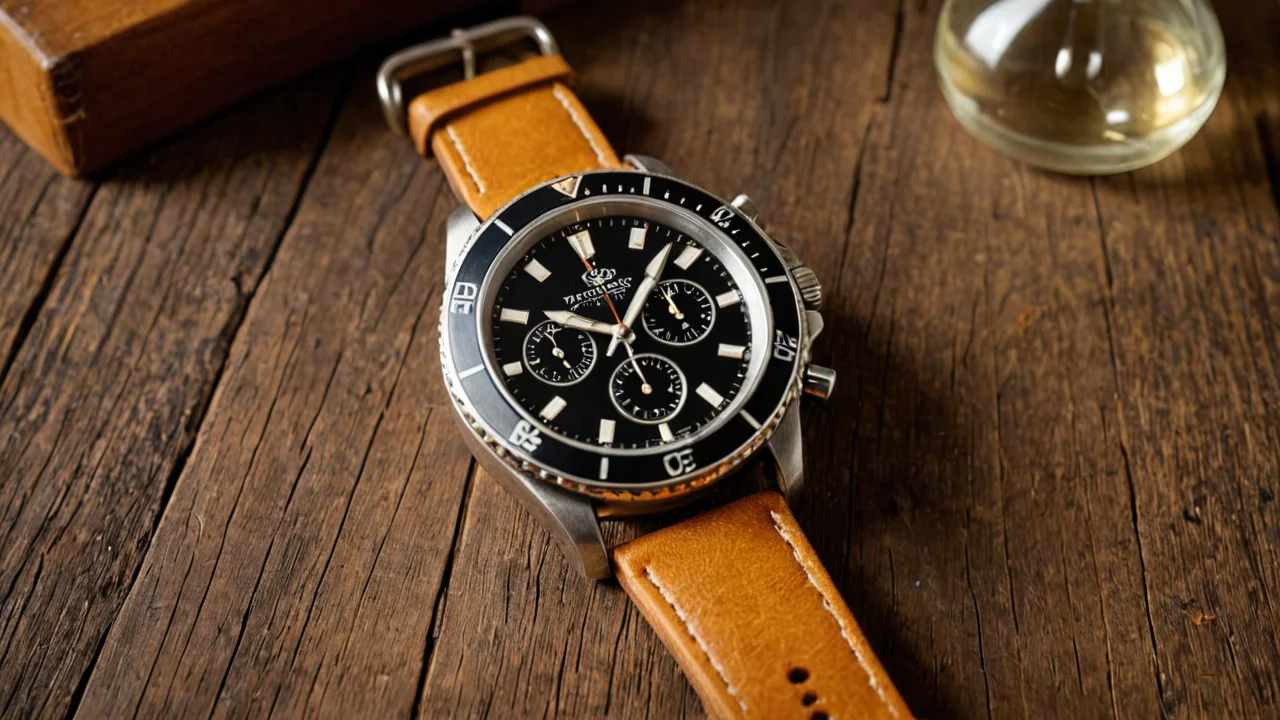
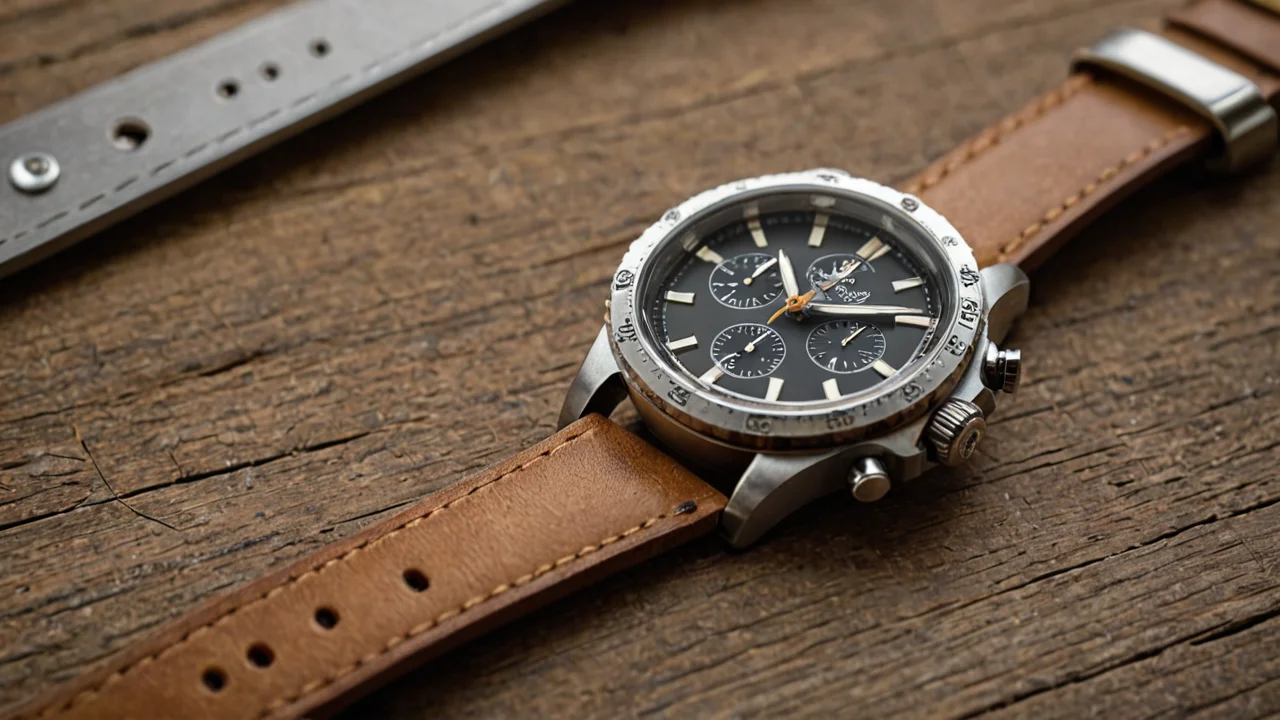
Chronographs deserve separate suspicion. A chronograph combines timekeeping with a stopwatch function driven by pushers that start, stop, and reset a central seconds hand and sub-dials recording elapsed minutes and hours. Each pusher is a hole in the case with a seal around a sliding shaft. Many chronographs are rated for swimming only with the pushers untouched; operating them underwater forces water past seals that were never designed for it. The rule is simple and absolute: never press a pusher on a wet watch, and never press one underwater unless the manufacturer explicitly states the pushers are operable to a stated depth.
Caseback gaskets are the quiet failure point. They are rubber or silicone O-rings that harden, flatten, and take a set over years. You will not see the failure coming. The first sign is usually fogging under the crystal after a swim — condensation on the inside, which means water is already in and the movement is now rusting from the inside out. If you see fog, stop wearing the watch, do not wind it, and get it to a watchmaker. Every day of delay is corrosion on steel parts measured in microns.
The trade-off with highly sealed watches is service cost and complexity. A screw-down crown and a well-engineered caseback need proper tools and fresh gaskets at every service, and a watchmaker who cuts corners on seals will hand back a watch that passes a casual glance and fails a pressure test. Ask for the pressure test result, not just the invoice.
Servicing: what actually wears out and when to act
Mechanical movements are oiled, and oil degrades. It thickens, migrates, and eventually stops doing its job, at which point metal runs on metal and the wear becomes permanent. The practical signal is timekeeping drift — a watch that ran within a few seconds a day for years and now loses or gains noticeably is telling you the lubricant has broken down. Waiting for a full stop is the expensive path; a movement that has run dry grinds its pivots and jewels, and the repair bill climbs accordingly.
Manufacturers publish service intervals, and they vary widely — some recommend service at fixed intervals regardless of condition, others say service when performance indicates. The honest position is that the calendar is a proxy for wear, and wear depends on how the watch is used. A watch worn daily in hot, humid conditions and exposed to sweat ages its seals faster than one worn on weekends in a temperate climate. There is no sourced universal interval, and any site quoting one number for every watch is guessing.
Quartz watches need less, but not nothing. The movement is cheap to replace and the battery is the obvious consumable, but the gaskets still age, and a battery that leaks destroys the movement and sometimes the dial. Have the battery changed by someone who reseals the case and tests the water resistance afterward — a battery swap that skips the gasket is how a 100 m watch becomes a 30 m watch without anyone telling you.
What servicing costs you is time and money, and the honest trade-off is that a modest watch may cost a meaningful fraction of its purchase price to service properly. That is not a reason to skip it if the watch matters to you; it is a reason to decide, before you buy, whether you are prepared to maintain it.
Magnets, shocks, and the everyday hazards nobody warns you about
Magnetism is the most common cause of a watch suddenly running fast, and it is almost always self-inflicted. Laptop speakers, tablet magnetic covers, bag clasps, phone cases with magnetic mounts, and the strong rare-earth magnets in modern accessories will all pull a mechanical movement’s hairspring or affect its regulation. The symptom is distinctive: a watch that was accurate starts gaining dramatically, often by minutes a day rather than seconds. It is not broken, and a watchmaker with a demagnetiser fixes it in minutes.
Shock is the other quiet killer. Dropping a watch onto a hard floor can bend a balance staff pivot or knock the movement out of beat without any visible case damage. The watch may keep running and simply be less accurate, which is why shock damage often goes unnoticed until a service reveals it. Watches marketed with shock resistance have specific engineering for it; a dress watch dropped on tile does not.
Temperature swings are gentler but real. Going from a hot shower to a cold pool flexes seals and can draw moisture past a marginal gasket, which is one reason watches are pressure-tested rather than merely inspected. The practical advice is unglamorous: take the watch off before the shower, before the gym, and before any job that involves impact tools. A watch is a precision instrument on your wrist, and treating it like a tool is how it ends up needing one.
Straps, crystals, and the parts you replace rather than repair
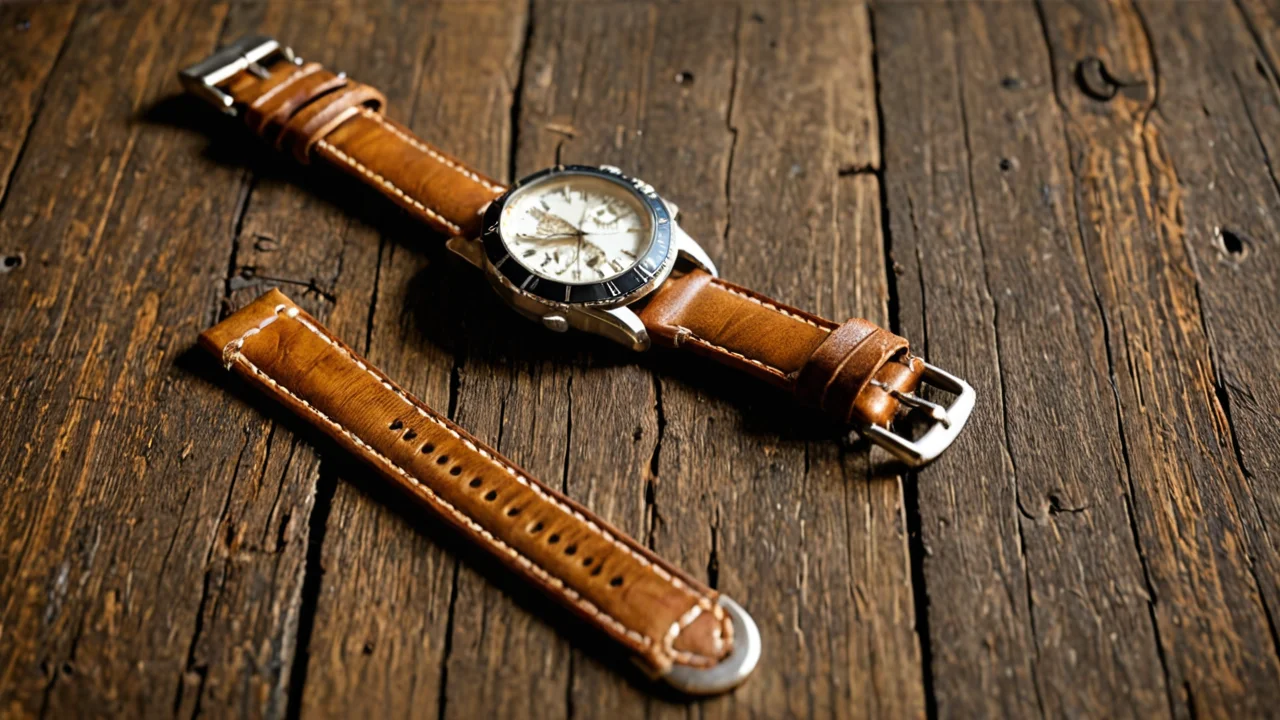
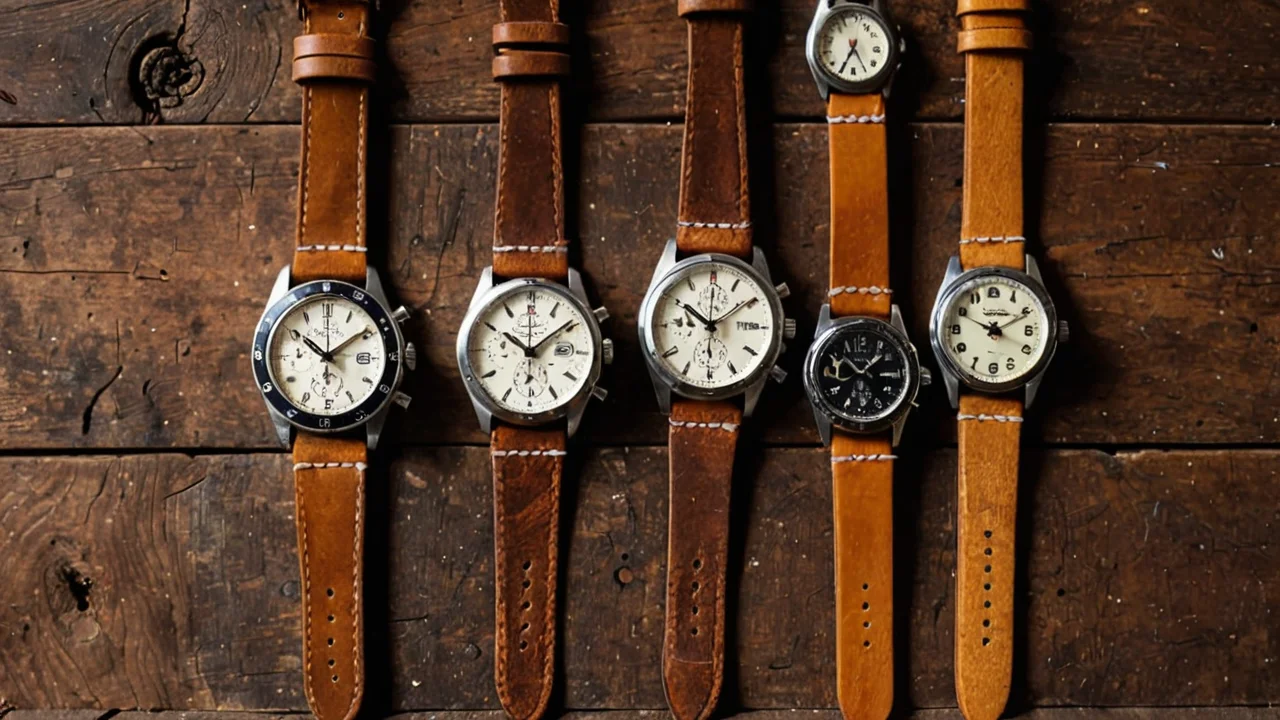
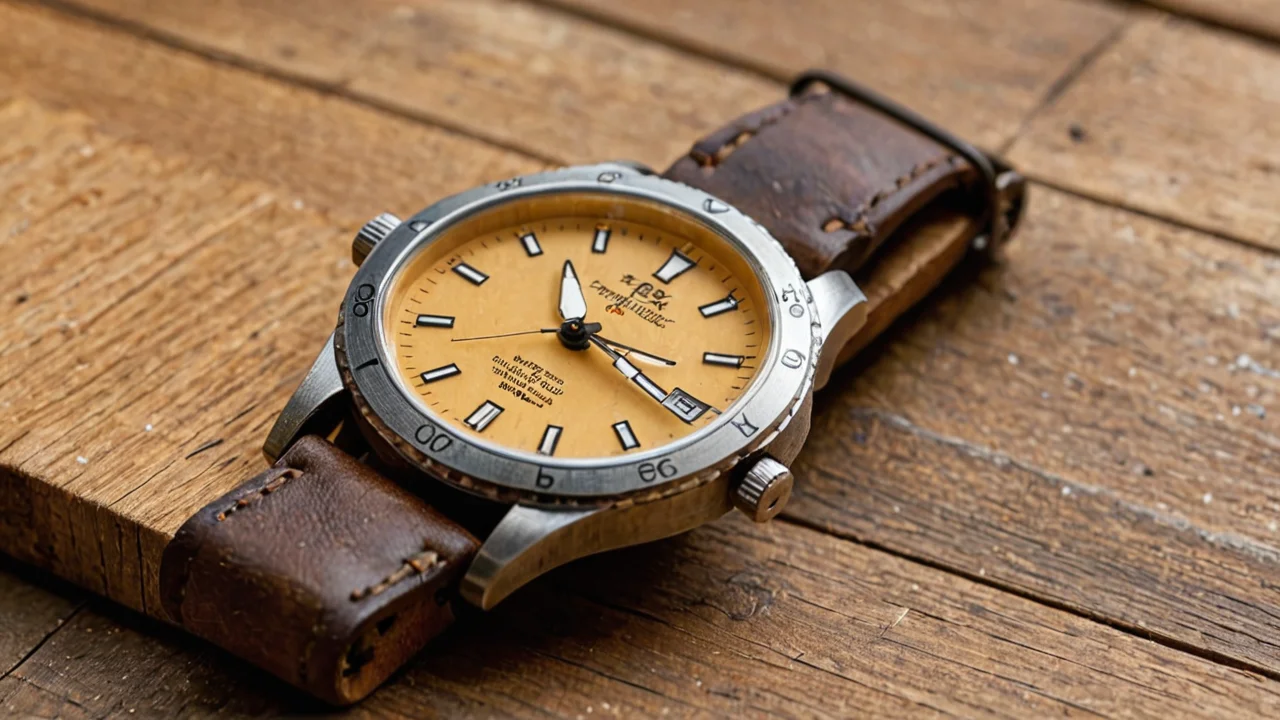
The strap is the component you will replace most often, and matching it to use is the cheapest care decision you will make. Leather and water are enemies; sweat and chlorine destroy leather quickly, staining it and weakening the stitching. If the watch sees water, a rubber, silicone, or steel bracelet is the honest choice. Leather belongs on the watch that stays dry.
Steel bracelets wear at the clasp and between links, and the wear is visible as stretch and rattle over years. It is normal. A bracelet can be refurbished or replaced, and the cost is usually modest relative to a movement service. Rubber straps degrade from sunscreen and chlorine and should be inspected for cracking at the lug ends, where a failure drops the watch.
Crystals are the other consumable. Sapphire resists scratching almost entirely but chips under a hard enough impact; mineral glass scratches readily and is cheap to replace; acrylic scratches easily and can often be polished back. A scratched crystal is cosmetic, not a water-resistance failure — but a chipped one is, because a crack through the crystal is a path to the dial. Replace a chipped crystal promptly rather than living with it.
The trade-off is that sapphire’s scratch resistance comes with brittleness, and replacing it costs more than mineral. On a watch you will bang against doorframes, that is still usually the right trade.
Storage, cleaning, and the habits that actually extend a watch’s life
Store mechanical watches running or wind them on a schedule; store them dry, and store them away from magnets and direct sun. A watch left in a drawer for a year with a degraded gasket and old oil does not improve with rest. If a watch is going into long storage, have it serviced first or accept that it will need service when it comes out.
Cleaning is where most owners do damage by doing too much. Rinse a dive watch in fresh water after saltwater or chlorine exposure — that is the single highest-value habit for a watch that gets wet, because salt crystals and chlorine residue attack gaskets and cases. Do not use a high-pressure jet, do not scrub a crystal with anything abrasive, and do not submerge a watch to “test” its rating. If you want to know whether it still seals, have it pressure-tested.
On the standards question, it helps to know what a certification actually buys you. An ISO 6425 divers’ watch is one that meets the standard’s requirements — designed to withstand diving at depths of at least 100 m and passing specific tests for water resistance, overpressure, legibility in darkness, shock resistance, and other performance criteria. That is a broader promise than a depth number. It covers whether you can read the thing in murky low light and whether it survives a knock against a tank. A watch with a big depth rating and no certification may well be fine, but you are trusting the brand rather than a test protocol.
The habits that matter most are boring and cumulative: screw the crown down, rinse after salt, keep it off magnets, take it off for impact work, service on condition rather than on hope, and get the seals and pressure test done whenever the case is opened. None of that is glamorous. All of it is what separates a watch that lasts decades from one that fogs up in year four.
What a dive certification actually tests beyond depth
An ISO 6425 divers' watch has to clear more than a pressure number: the standard covers overpressure, legibility in darkness, shock resistance, and other performance criteria, and it defines a diving watch as having water resistance greater than 1.1 MPa (11 atm), equivalent to at least 100 m (330 ft). Those clauses are why two watches with the same depth figure on the dial are not the same object. The legibility test is the one most owners never think about, and it is the one that shows up at the worst moment — a dial that reads cleanly in a shop window can go to silhouette in low light or under silt, and no amount of pressure testing fixes that.
The certification also implies a repeatable regime rather than a single heroic number: the simulated immersion conditions for ISO 6425 divers' watches in routine use specify 100 m of water for 1 hour per day followed by 3 m of water for 3 hours per day. That is testing for sustained exposure, not a one-off plunge. The limit is that certification is a snapshot of a new watch; nothing in the standard re-certifies your watch after a gasket change, so the paperwork you paid for describes a condition your watch may no longer be in.
Why a chronograph is the wrong watch for a wet day
Buy the chronograph for dry use and the diver for wet use, and stop expecting one case to do both well. A chronograph combines a standard timekeeping display with a stopwatch function run by pushers that start, stop, and reset a central seconds hand, with sub-dials recording elapsed minutes and hours — and every pusher is a sealed sliding shaft, which is the least forgiving seal on the watch. A dive watch's job is the opposite: fewer openings, a screw-down crown, and a case built to hold static pressure at 125% of its rating.
The practical rule is that a chronograph's rating protects it from rain and splashes, not from swimming with the pushers in play. If you time anything near water, use the bezel on a diver or the timer on your phone. The cost of following this is that you own two watches instead of one; the cost of ignoring it is water past a pusher seal and a fogged crystal you cannot unsee.