The best silicone watch strap is one formulated with high-grade, oil-resistant elastomer that balances extreme water stability with sufficient mechanical flexibility for daily wear.
Strap Materials
Selecting the best silicone material watch strap
Strap Materials
The best silicone watch strap is one formulated with high-grade, oil-resistant elastomer that balances extreme water stability with sufficient mechanical flexibility for daily wear.
Strap Materials
High-quality options for durable stainless steel watch straps range from surgical-grade 316L to specialized marine-grade alloys designed to resist specific environmental corrosion.
Watch Care & Tips
A deployment clasp is a mechanical fastener that allows you to secure a strap around your wrist by folding or sliding an extension piece into place, making it significantly more robust than older…

Watch Care & Tips
For serious enthusiasts looking at strap longevity and aesthetic versatility, a modular system using standard lug widths is vastly superior to purchasing a pre-assembled watch unit; it provides…
Watch Care & Tips
While modern iterations often favor quick-release mechanisms or exotic materials, the classic tropic strap—particularly those made from high-quality calfskin or treated alligatorskin—has maintained…
Watch Care & Tips
For reliable, daily swapping that maintains a secure fit without specialized tools, the modern quick release system—specifically those utilizing spring bars or standardized lug connections—is vastly…
Sizing Guide
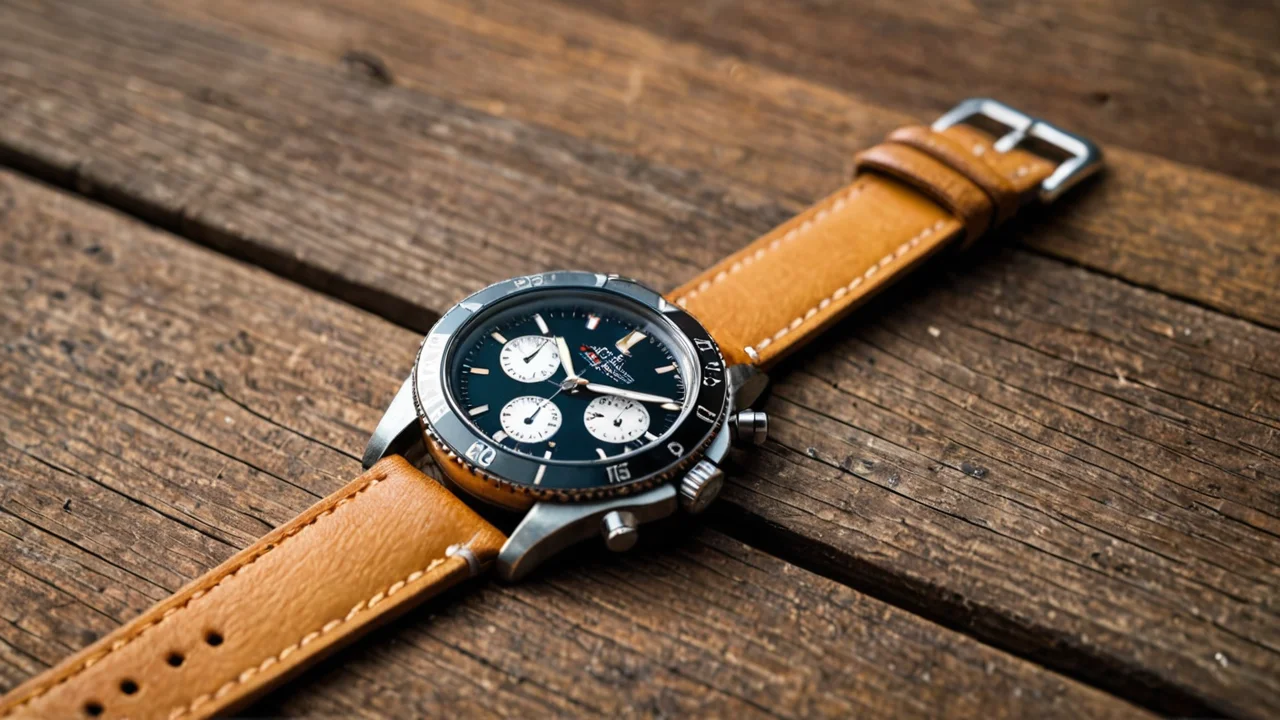
An 18mm strap width is not universal; while it serves as a common standard for many modern Swiss and Japanese mechanical watches, you must always verify the case lug measurement directly against…
Strap Materials
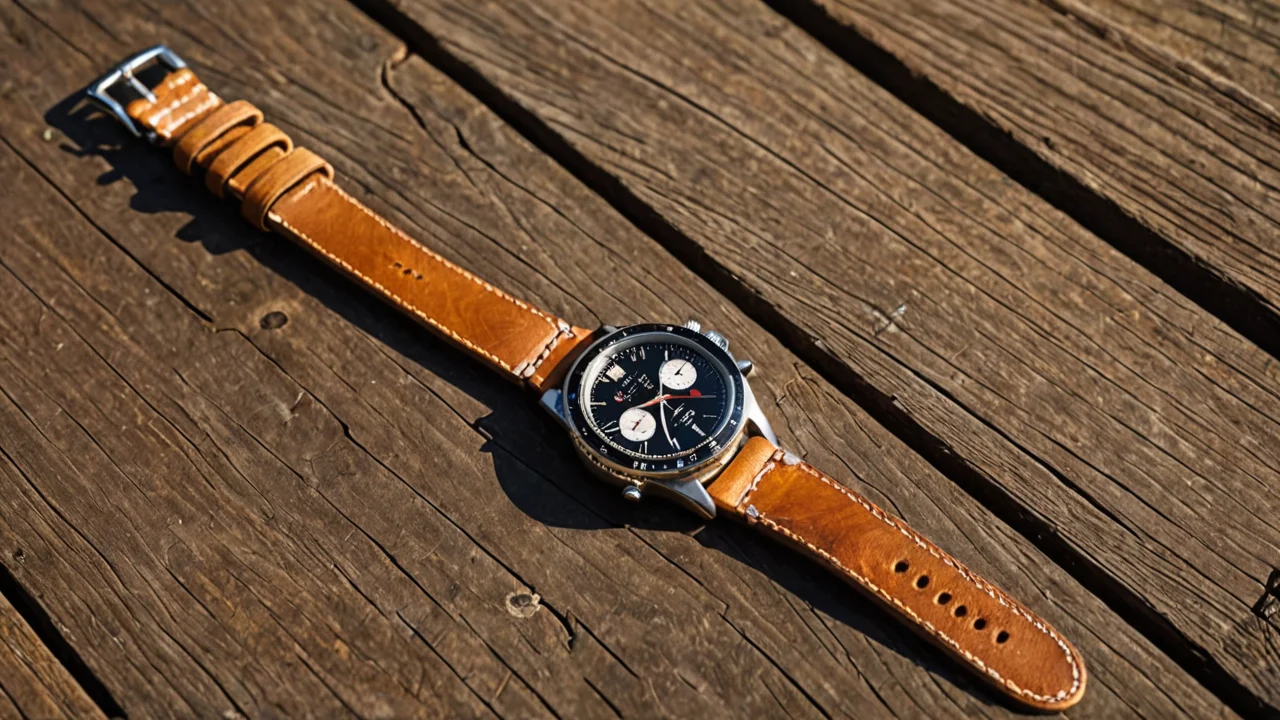
The fundamental distinction between an aesthetic strap choice and a function-first approach lies in its narrative priority: I prefer focusing on the heritage and functional requirements, because true…
Sizing Guide
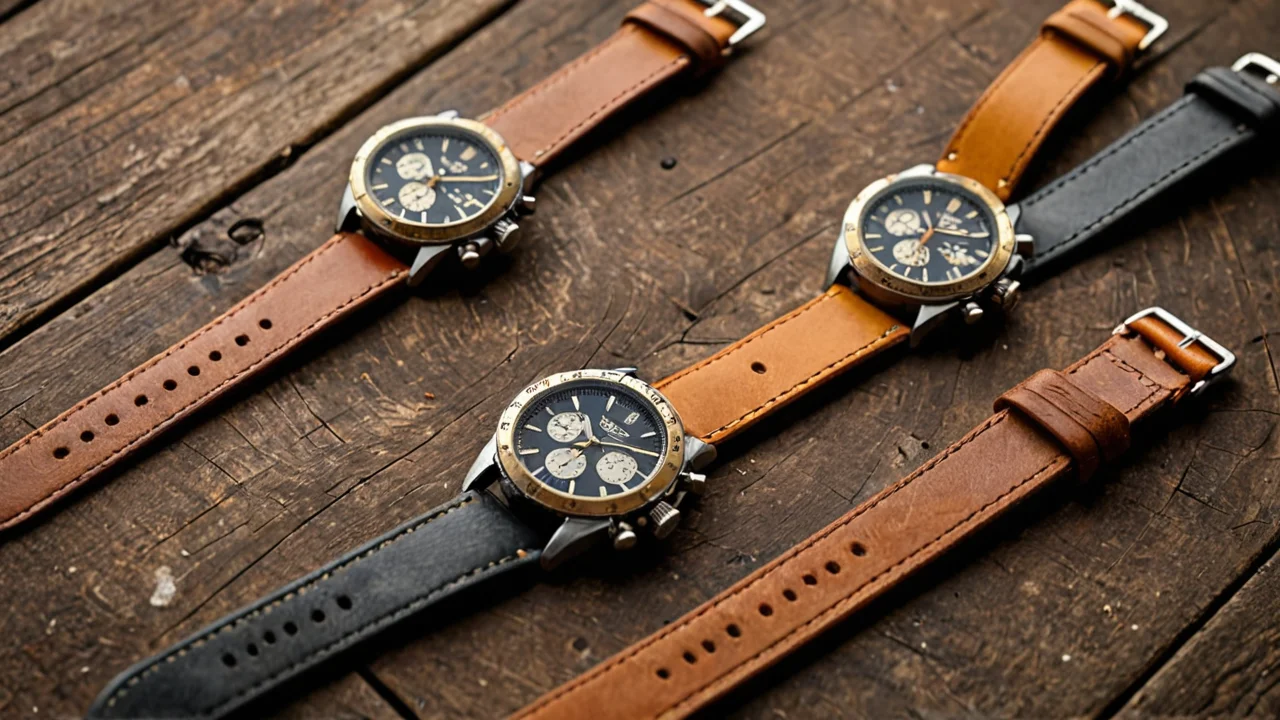
If you are looking to buy a universal strap, I recommend starting with adjustable sizing systems; if you know the specific brand or watch case size you already own, start by measuring the case width.
Sizing Guide
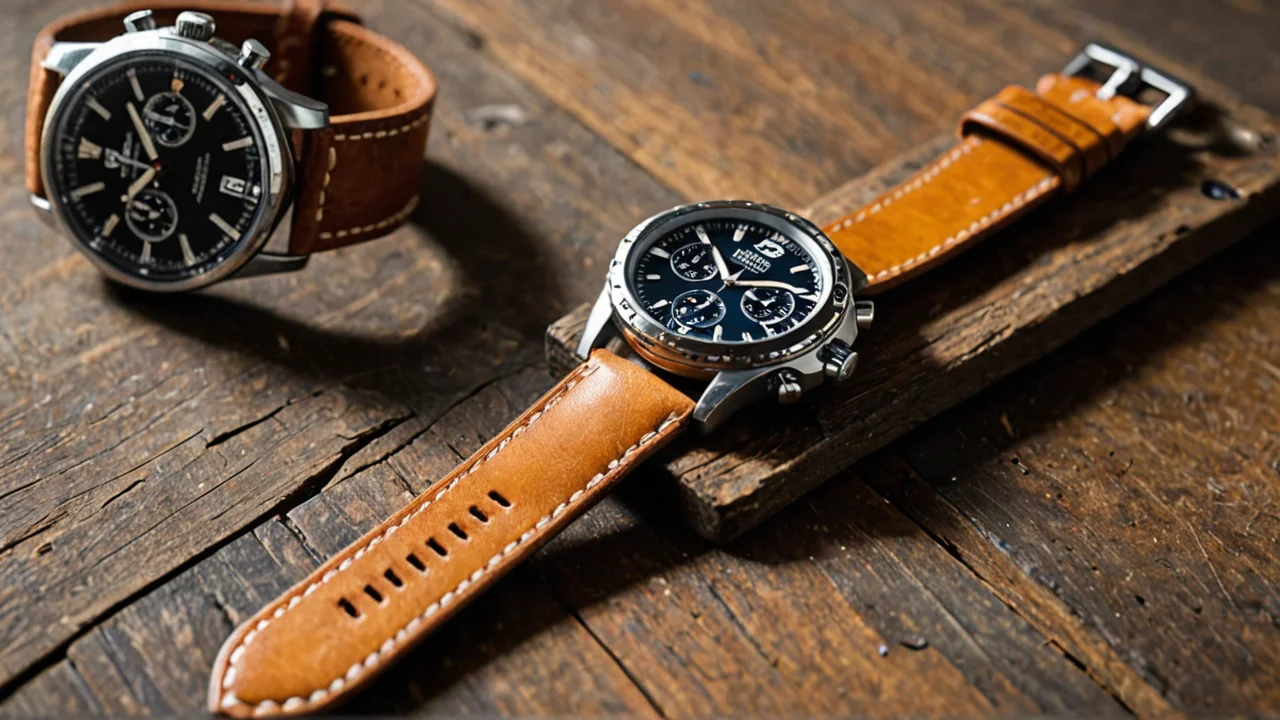
The mistake most people make when buying a 21mm strap is assuming that because the watch lug width is exactly 21mm, any strap advertised as "for 21mm" will fit perfectly without adjustment.
Strap Materials
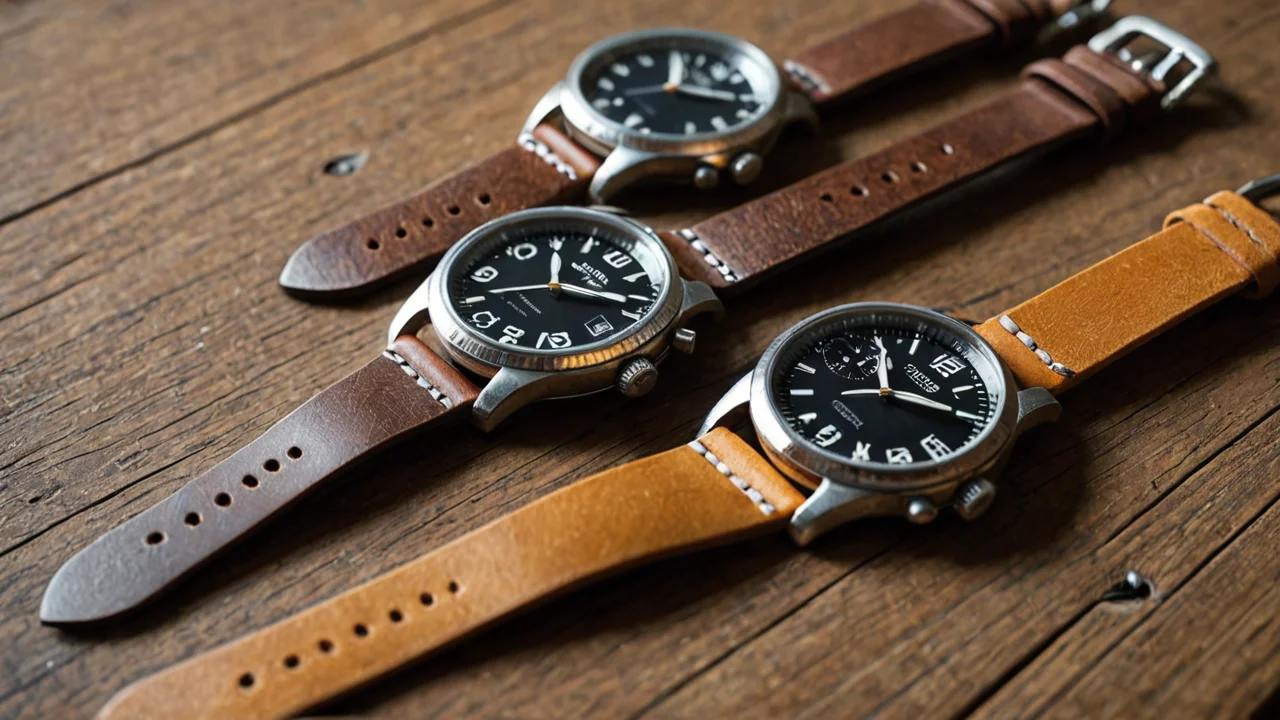
Perlon straps are synthetic textile bands known for their unique, textured look and excellent resistance to environmental wear, making them an attractive alternative to traditional leather or rougher…
Strap Materials
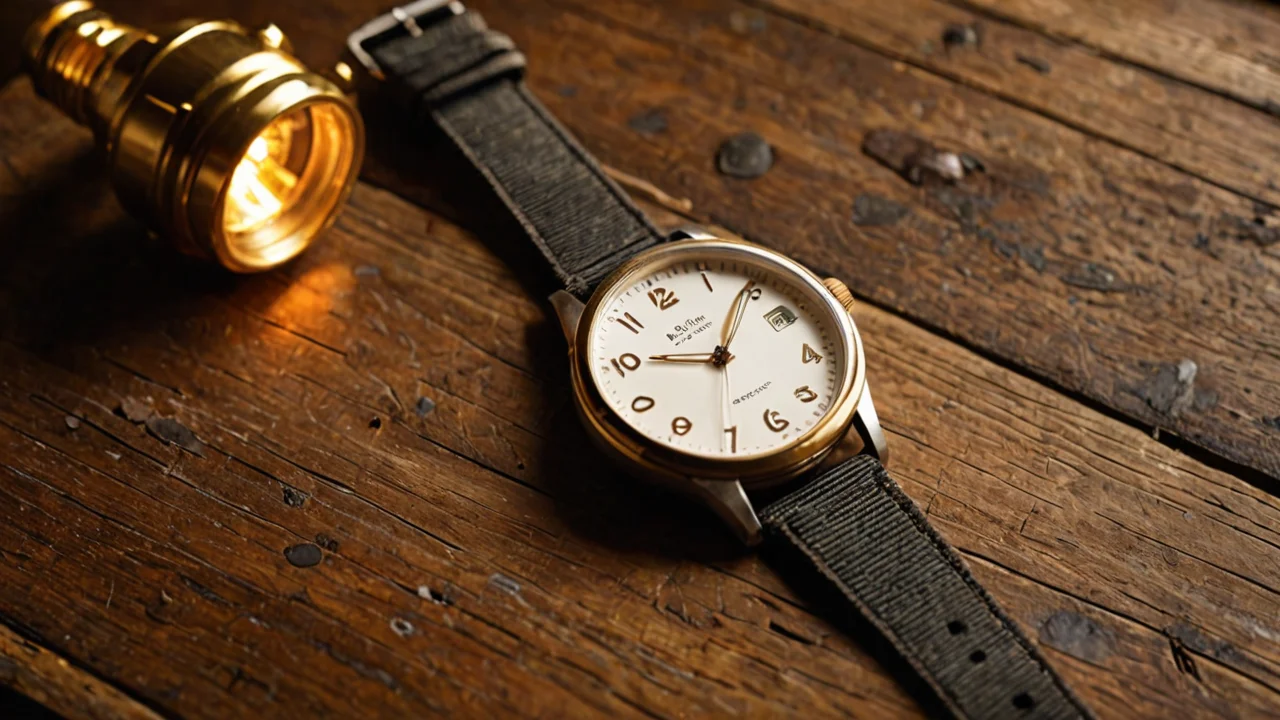
For maximum durability in aggressive environments—such as deep water or daily extreme wear—nylon straps excel because they offer a lightweight alternative that maintains integrity even when exposed…
Strap Materials
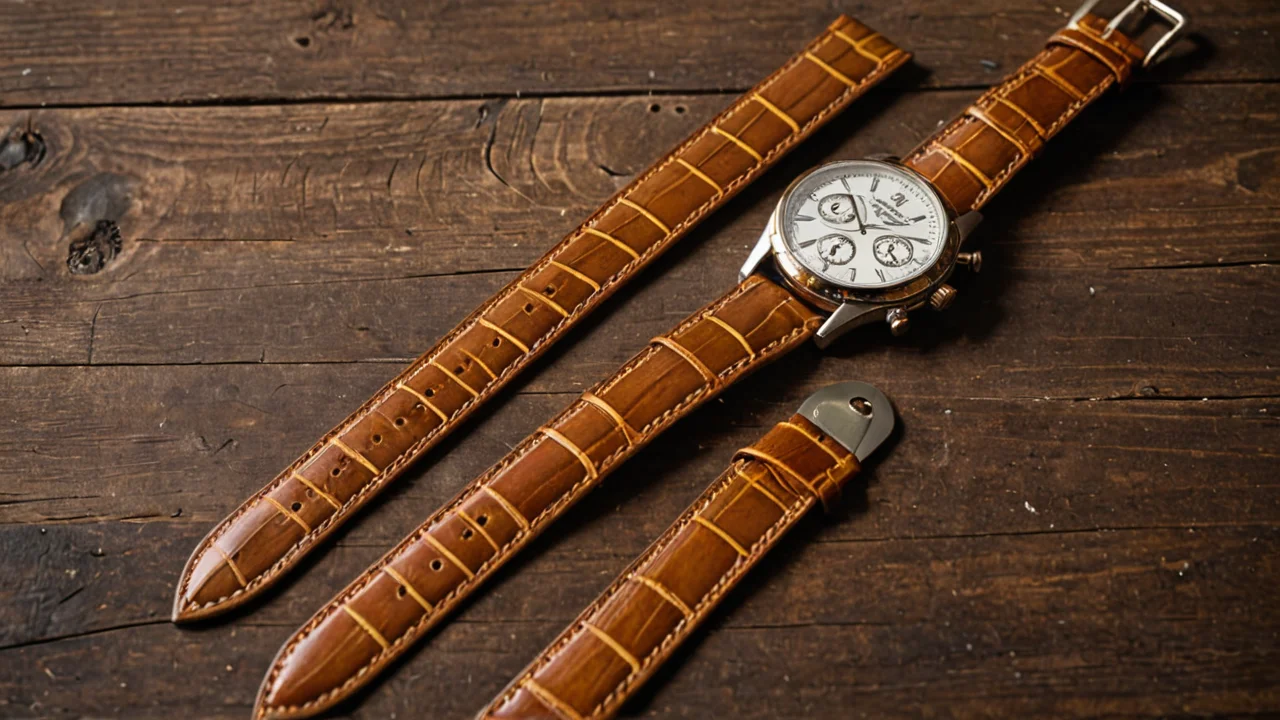
Modern alligator strap care has shifted dramatically from decades past; where historical methods involved heavy conditioning oils that could darken the leather unevenly or saturate it with mineral…
A dive watch is not a watch that happens to be waterproof: it is a watch that has passed a defined set of tests, and the number on the dial is not the number the watch was tested at. An ISO 6425 divers' watch must be rated to at least 100 m (10 bar, 1.0 MPa), and it is verified at 125% of that rating — so a 100 m watch goes into the equivalent of 125 m of static pressure before anyone signs it off. A 300 m-rated ISO 6425 diver is tested at 375 m of static water, or 37.5 atm. Those two sentences tell you most of what you need to know about how to read a depth rating, and the rest of this page is the working-out.
The 100 m figure is a floor, not a boast, and it means something different depending on whether the watch is an ISO 6425 diver or a dress watch with a screw-down back. The standard defines a diving watch as having water resistance greater than 1.1 MPa (11 atm), equivalent to at least 100 m (330 ft), and an ISO 6425 divers' watch is one designed to withstand diving at depths of at least 100 m and to pass tests for water resistance, overpressure, legibility in darkness, shock resistance and other performance criteria. So the certification is a bundle: pressure handling, a readable dial in the dark, a bezel you can operate with gloves, shock tolerance. A watch rated 100 m that has not been through ISO 6425 has cleared the pressure number and nothing else.
The pressure test itself is a static one, and that distinction matters more than any single figure on the dial. ISO 6425 water-resistance verification uses 125% of the watch's rated depth, so a 100 m watch is tested at 125 m equivalent static pressure. Static is the operative word. A watch sitting still in a pressure vessel is not the same as a watch on a wrist that gets slapped by a wave, knocked against a tank valve, or taken from a warm car into cold water. The 125% margin exists to absorb some of that, and it is not unlimited.
Where people get into trouble is treating a big number as a licence. A 300 m rating does not mean the watch is safe at 300 m of dynamic, moving, wrist-worn water — it means it survived 375 m of static water, equal to 125% of the 300 m rating. If you are actually diving rather than swimming, the rated depth should exceed your maximum depth by a comfortable margin, and the watch should be a certified diver rather than a handsome 200 m field watch. If you are swimming laps, showering, and occasionally snorkelling, almost any properly sealed watch with a screw-down crown will do, and paying for 600 m is paying for a thicker case and a heavier wrist.
The test protocol has changed over time and the older literature still circulates, which is why you will find two different descriptions of what a dive watch goes through. The immersion conditions used in routine ISO 6425 testing have been described as 100 m of water (about 10×10⁵ Pa) for 1 hour per day, followed by 3 m of water (about 0.3×10⁵ Pa) for 3 hours per day. That is a cycling regime — deep, then shallow, repeated — and it is closer to real diving than a single static squeeze, because it works the gaskets and the caseback seal rather than just loading them once.
On top of the immersion cycling, the standard calls for overpressure testing, which is the 125% figure, and for the other criteria: legibility in darkness, shock resistance, and the operation of the bezel and crown. The practical consequence for a buyer is that "ISO 6425" on a spec sheet is worth more than "300 m" on a dial, because the first is a claim about testing and the second is a claim about design intent. Plenty of watches are rated to 200 m and have never been near a pressure vessel.
The honest cost of certification is bulk and price. A case engineered to pass overpressure testing at 125% of a serious rating needs thicker walls, a beefier crystal, a screw-down crown and a caseback that seals properly, and all of that adds height and weight. A certified 200 m diver wears noticeably heavier than a 50 m everyday watch, and if you never go near water the trade is pure loss — you get the thickness and the service costs and none of the benefit. That is a legitimate reason to buy a 50 m watch, as long as you know that is what you bought.
Three ratings cover almost everything sold as water-resistant, and they are not interchangeable. A watch marked 30 m or 50 m is splash-resistant: it will survive rain and hand-washing and should come off before swimming. A watch marked 100 m without ISO 6425 certification is a swimmer — fine in a pool, fine in the sea if you are not going deep, and not something to trust on a dive. A certified ISO 6425 diver, at 100 m or above, is the only category where the manufacturer has submitted to the full battery of tests.
| Rating | What it survives in practice | Certification to look for |
|---|---|---|
| 30–50 m | Splashes, rain, hand-washing | None expected |
| 100 m, uncertified | Swimming, snorkelling, shallow water | None |
| 100 m and above, certified | Diving within the rated depth, with margin | ISO 6425 |
The failure mode people actually hit is not catastrophic implosion at depth. It is a worn gasket, a crown left unscrewed, or a pusher pressed underwater on a chronograph that was never designed for it. Water resistance is a maintenance item, not a permanent property: seals age, and a watch that passed its test when new will not pass it forever. If a diver has been sitting in a drawer for years, get it pressure-tested before you take it in the water, whatever the dial says.
The limit of the certification is that it describes the watch as it left the factory. It says nothing about the watch after a battery change by someone who did not reseat the caseback, or after a knock that deformed the crystal seat. Certification is a starting condition, not a warranty against your own handling.
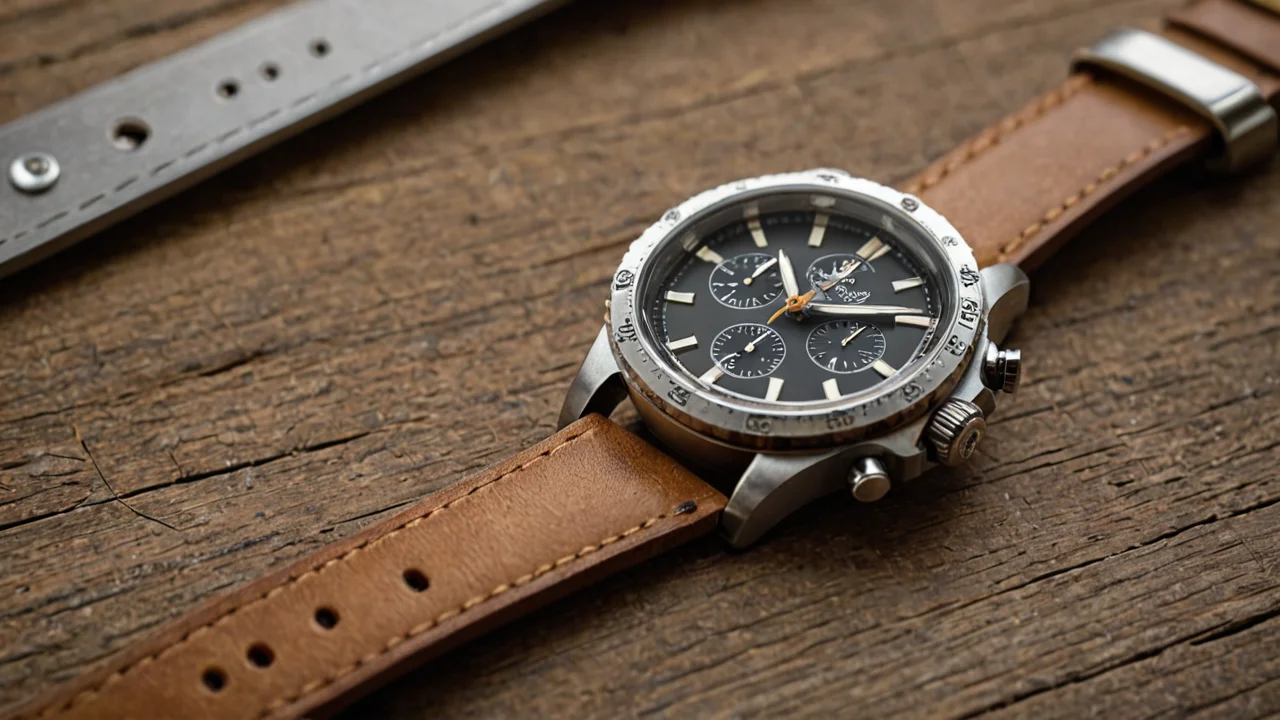
A chronograph is a timepiece that combines a standard timekeeping display with a stopwatch function, typically using one or more pushers to start, stop and reset a central seconds hand and sub-dials that record elapsed minutes and hours. The sub-dials are the part buyers under-read: a 30-minute counter, a 12-hour counter and a running-seconds hand look similar on a product photo and do entirely different jobs. If you are timing a parking meter or a pasta boil, you need the central seconds and not much else. If you are timing a dive or a leg of a race, you need to know whether the minute totaliser runs to 30 or to 60, because that determines whether your reading wraps around.
The trade-off is complexity, and it shows up in three places. A chronograph movement has more parts, so servicing costs more and takes longer. The pushers are holes in the case, which is why a chronograph is the wrong watch to press buttons on underwater unless it is specifically built for it. And the dial gets busier, which is a real legibility cost on a watch you also want to read at a glance in low light — the same reason dive watches keep their dials plain.
For most people a chronograph is a style decision more than a functional one. A phone times things better. What a mechanical chronograph offers is the tactile thing: the snap of a column wheel or the slight shudder of a cam, the ability to start a stopwatch without unlocking anything. That is a legitimate reason to own one, as long as you are not paying chronograph servicing prices expecting stopwatch accuracy you could get for free.
Decide water resistance first, because it constrains everything else. If you dive, you need ISO 6425 certification and a rating with margin over your maximum depth, and that decision has already settled case thickness, crown type and often crystal material. If you swim, an uncertified 100 m watch is enough and you can spend the money on finishing instead. If you never get the watch wet, a 30–50 m watch is honest and cheaper, and you should stop reading depth ratings entirely.
Second, decide whether you want a chronograph, because it changes the service economics and the dial legibility. A three-hand dive watch is the cheapest thing to own long-term: fewer parts, fewer seals to fail, simpler service. A chronograph is the more interesting object and the more expensive one to keep running.
Third comes the movement and the servicing question, which is where most of the lifetime cost sits. A mechanical watch needs servicing on a schedule measured in years, and a diver needs its seals checked at the same time. A quartz watch is cheaper to run and easier to live with, and the trade is the sweep of the seconds hand and the fact that a battery change is itself a water-resistance event — the case has to be opened and resealed, and a bad reseal is exactly how a 200 m watch starts fogging in the pool.
Fourth, size and weight, which you cannot decide from a spec sheet. A certified diver with a thick case and a heavy bracelet wears very differently from a 38 mm three-hander, and the only reliable test is on your wrist for a day. The order matters because each decision narrows the field: pick the certification, then the function, then the movement, and by the time you get to size you are choosing between a handful of watches rather than hundreds.
Fogging under the crystal is the classic sign that water has got in, and it usually appears after a seal has aged or a crown has been left unscrewed rather than after a dramatic depth incident. Condensation on the inside of the glass after a temperature change — cold water, warm room — means the case is no longer sealed, and the watch needs drying and resealing before corrosion reaches the movement. Ignore it and you graduate from a gasket replacement to a movement service.
The other common failure is a pusher pressed underwater on a non-diving chronograph, which forces water past a seal that was never rated for it. The third is a bezel that no longer clicks cleanly, which on a dive watch is a safety item rather than a cosmetic one: a bezel that drifts is a dive timer that lies. Any of these is a service visit, and the cost is the argument for buying a simpler watch in the first place if you are hard on your gear.
The limits are worth stating plainly. No rating survives a worn gasket, an unscrewed crown, or a caseback closed by someone in a hurry. ISO 6425 tells you the watch was tested at 125% of its rating when it was new; it does not tell you what it will do after a decade of showers, salt and knocks. Get a diver pressure-tested before you trust it in the water, keep the crown screwed down, and treat the depth number as a margin rather than a target. That is the whole discipline, and it costs you one service interval to learn.
The certification is a bundle, and the pressure figure is the least interesting part of it. An ISO 6425 divers' watch must also pass overpressure testing, legibility in darkness, shock resistance, and checks on the bezel and crown — a watch rated 100 m without certification has cleared the number on the dial and nothing else. That is why two watches with identical depth markings can differ by a caseback gasket, a bezel click spring and a lume application, and why the certified one costs more for reasons you cannot see in a product photo. The limit of this: certification describes a new watch, and nothing on the caseback tells you whether the seals have been touched since.
Routine ISO 6425 testing has been described as 100 m of water (about 10×10⁵ Pa) for 1 hour per day, followed by 3 m of water (about 0.3×10⁵ Pa) for 3 hours per day — deep, then shallow, on repeat. The cycling is the point. A single static squeeze loads the gaskets once; alternating pressure works the caseback seal and the crown tube the way a real dive does, and it is the part of the protocol a static pressure test at the jeweller's cannot replicate. A watch that passes a single squeeze can still weep at the crown after a season of immersion cycles, which is why the annual seal check matters more than the dial number.