Buy the case diameter that matches your wrist's flat top, not the number you wish you had: measure the flat span across the top of your wrist in millimetres, and treat that measurement as the ceiling for case diameter unless the watch has short, down-curved lugs. A watch is wearable when the lug-to-lug length stays inside that flat span and the caseback sits flat rather than perching on the wrist bones. Everything else in sizing — thickness, strap width, water resistance ratings, dial layout — is a secondary decision that follows from getting those two numbers right.
Measure the wrist, then the watch, in that order
Wrap a soft tape around your wrist just behind the wrist bone and note the circumference, then lay the tape flat across the top of the wrist — bone to bone, across the flat plane where the watch head will sit — and note that span too. Circumference tells you strap length; the flat span tells you how much case you can carry. Most people know only the first number and then wonder why a watch that "fits" their wrist circumference still overhangs.
Lug-to-lug is the measurement that decides comfort. Take it from lug tip to lug tip on the watch, in a straight line, not following the curve. If that figure exceeds your flat span, the lugs will hang past the edges of your wrist and the watch will look and feel oversized regardless of its diameter. A compact case with long lugs wears bigger than a wide case with stubby ones, which is why comparing diameters across two watches tells you almost nothing.
Case diameter is the headline number and the one sellers quote, but it only becomes meaningful once you know your flat span. A watch whose lugs sit inside that span reads as proportionate even at a larger diameter; one that spills over reads as borrowed from someone else. Case thickness is the third measurement and the most neglected. A thick case raises the centre of gravity, catches on cuffs, and tips the head off the wrist. If you wear sleeves to work, thickness matters more than diameter.
The trade-off is real: a smaller case with a thin profile is more comfortable and more versatile but gives up presence and, in some designs, dial legibility. A larger case photographs well and reads clearly across a room but limits what you can wear it with and how long you'll tolerate it on a hot day. There is no correct number — there is only the number your wrist supports.
Water resistance ratings are depth equivalents, not depth promises
A watch rated to 100 m is not intended for diving to 100 m. The rating is a static pressure equivalent, and the test behind it is more demanding than the number suggests: ISO 6425 verification applies 125% of the watch's rated depth, so a 100 m watch is tested at 125 m equivalent static pressure. A 300 m-rated ISO 6425 diving watch is tested at 375 m of static water, equal to 37.5 atm.
The floor for a genuine diving watch is now defined tightly. Modern standards define a diving watch as having water resistance greater than 1.1 MPa (11 atm), equivalent to at least 100 m (330 ft), and an ISO 6425 divers' watch must be designed to withstand diving at depths of at least 100 m while passing specific tests for water resistance, overpressure, legibility in darkness, shock resistance, and other performance criteria. The 100 m minimum depth resistance for ISO 6425 qualification has been the figure since 2018. The standard also simulates real use: 100 m of water (≈10×10⁵ Pa) for 1 hour per day, followed by 3 m of water (≈0.3×10⁵ Pa) for 3 hours per day.
What that means on your wrist: a 100 m rating is the entry point for actual diving, not a casual desk-diver badge, and a 50 m or 30 m rating is a splash-and-rain figure. The cost of climbing the rating ladder is thickness, crown and caseback engineering, and price. The wrong choice is buying a 300 m diver for office wear — you pay in millimetres of height and in weight for capability you will never use. The other wrong choice is trusting a low-rated fashion watch near water because it looks rugged.
Lug width and strap sizing: the number nobody checks until the strap arrives
Lug width is the distance between the inner faces of the lugs where the spring bar sits, and it must match the strap's width exactly — a 20 mm strap in a 22 mm gap leaves a visible pinch and stresses the spring bar. Measure the gap with calipers if you can; a ruler against a curved lug is where most people get it wrong by a millimetre, and a millimetre is enough to make a strap fit badly.
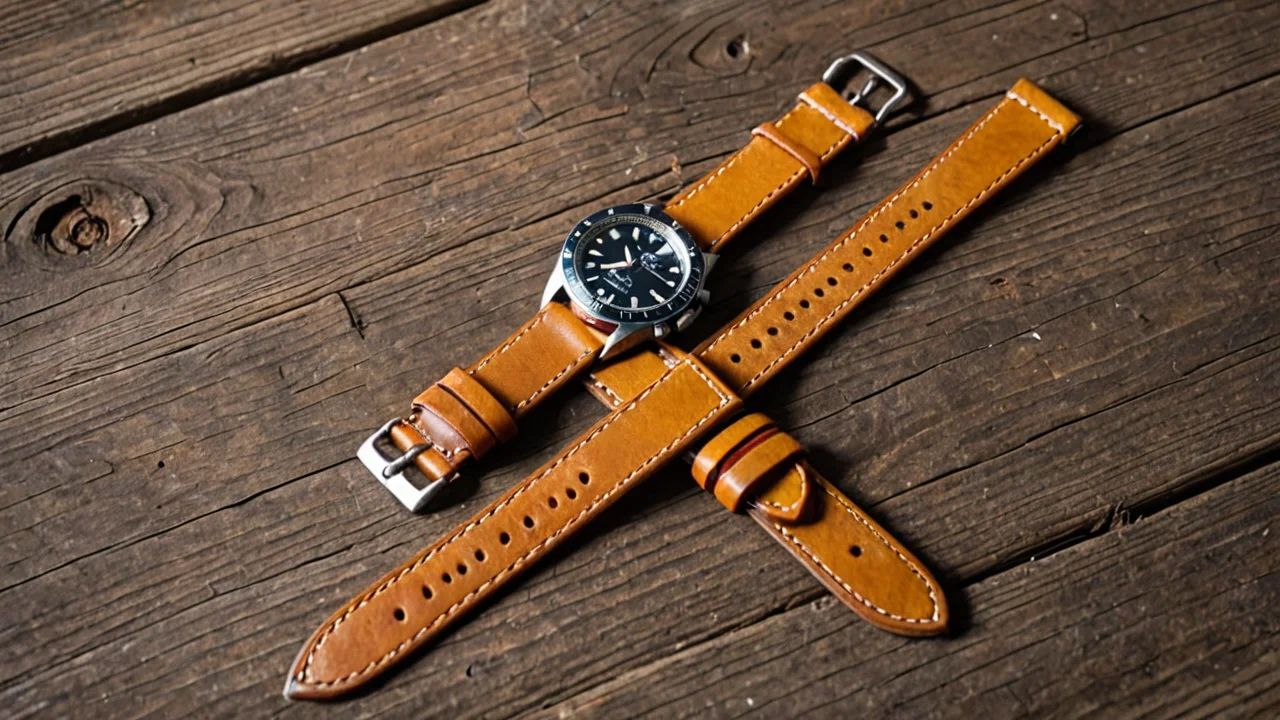
Strap length then follows from wrist circumference, not from case size. A leather strap with two or three holes of adjustment either side of your measurement gives room for swelling in heat and for a tighter fit under a cuff. Bracelets are sized by removing links, which is reversible and forgiving; a cut-to-length rubber strap is not, so buy long and trim only after wearing it for a few days. Quick-release spring bars make swapping trivial and are worth insisting on if you change straps often — they also remove the scratched-lug risk that comes with a spring bar tool.
The honest trade-off: a wider strap balances a larger case and distributes weight better, but narrows your choice of aftermarket straps and can look heavy on a small wrist. A narrow strap on a big case looks pinched and puts more load on the spring bars. Match strap width to the lugs, and let the lugs decide.
Case shape changes the fit more than the diameter does
Two watches with the same diameter and the same lug-to-lug can wear completely differently, because what touches your wrist is the caseback and the lug curvature. A domed or heavily sculpted caseback sits into the wrist and lets a larger case disappear; a flat caseback with sharp edges perches and rocks. Down-curved lugs wrap the wrist and buy you a few millimetres of effective span; straight lugs do not.
Cushion cases and tonneau shapes carry their width lower on the wrist and often wear smaller than their diameter suggests. Round cases with tall, straight sides wear at their full quoted size. This is why trying a watch on beats reading its spec sheet every time — and why buying online without a return window is a gamble on shape, not on size. If you can't try before buying, favour sellers with returns and prioritise the published lug-to-lug and thickness over the diameter.
The cost here is choice: the best-fitting shape for your wrist may not be the shape you like on screen. Photographs flatten a case, and a watch that looks balanced in a product shot can sit awkwardly on a narrow, bony wrist. Decide which you're optimising for before you fall for a dial.
Dial and bezel proportions decide legibility at the size you picked
A smaller case does not automatically mean a less readable dial; it means the dial's real estate is split differently. A dive bezel eats a fixed ring of width, so a bezelled watch delivers a smaller dial opening than a plain three-hander of the same diameter. If legibility matters to you — and in low light it should — a clean dial in a moderate case often beats a busy dial in a large one.
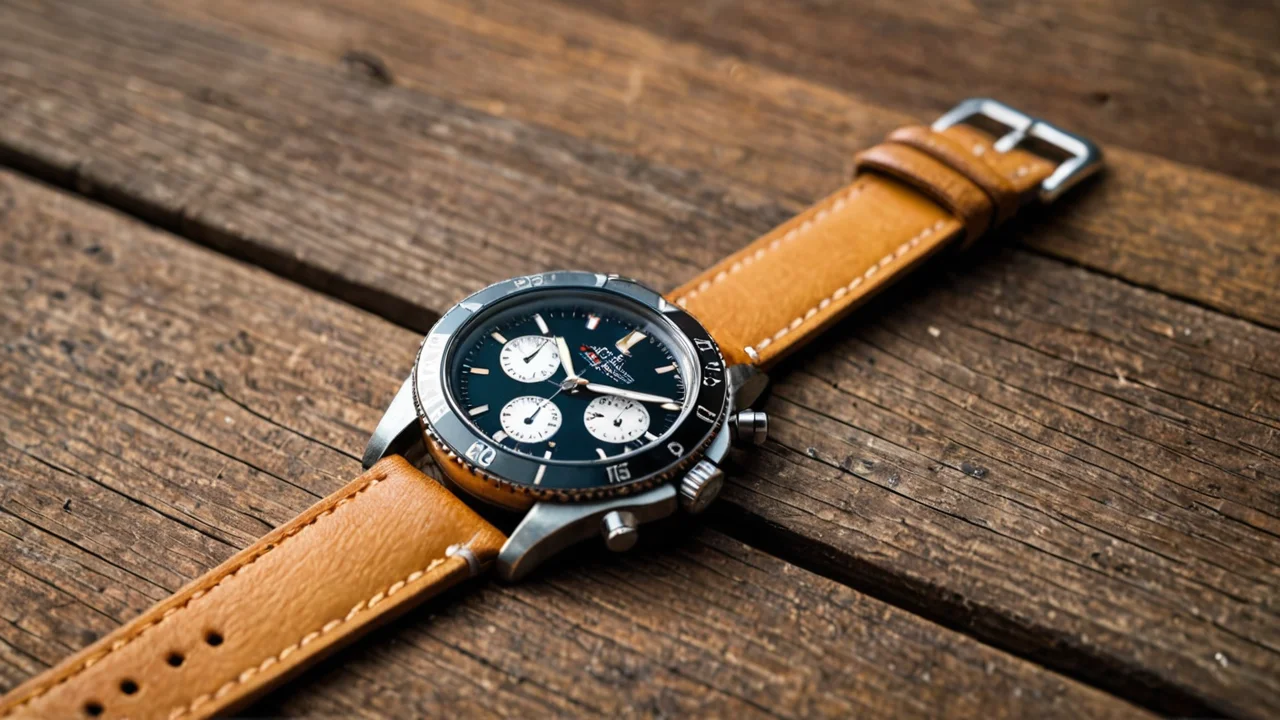
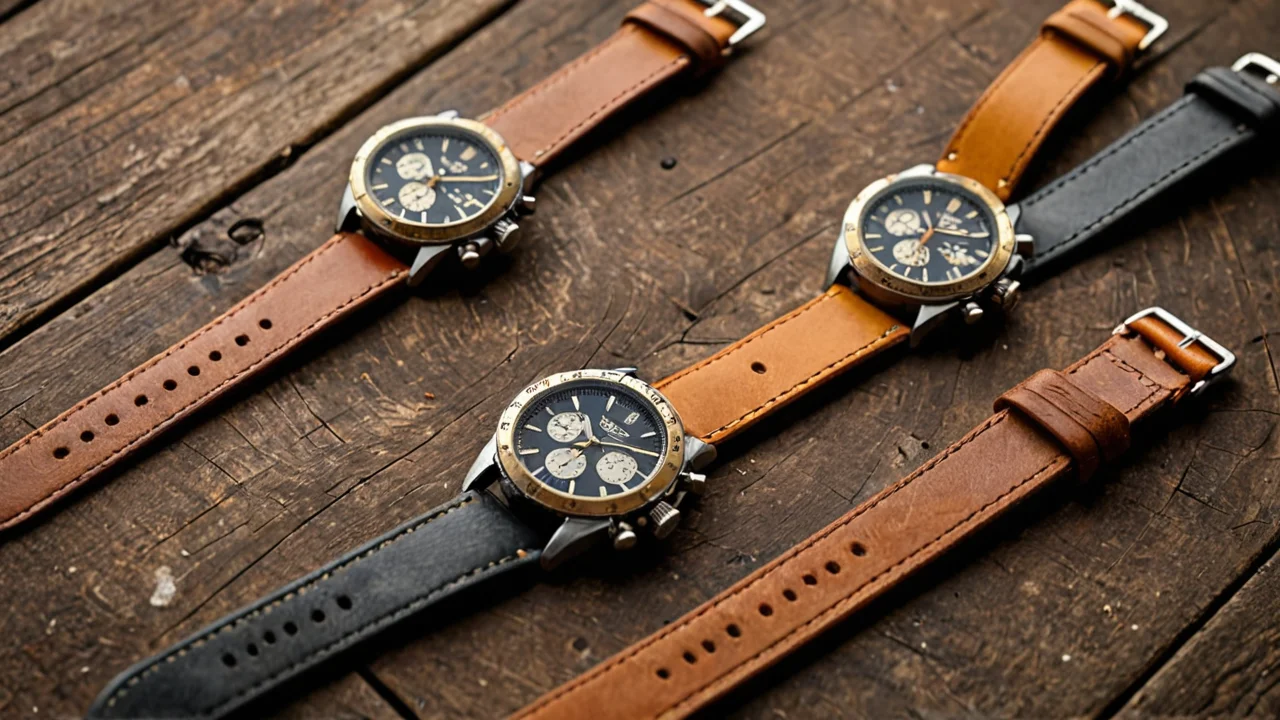
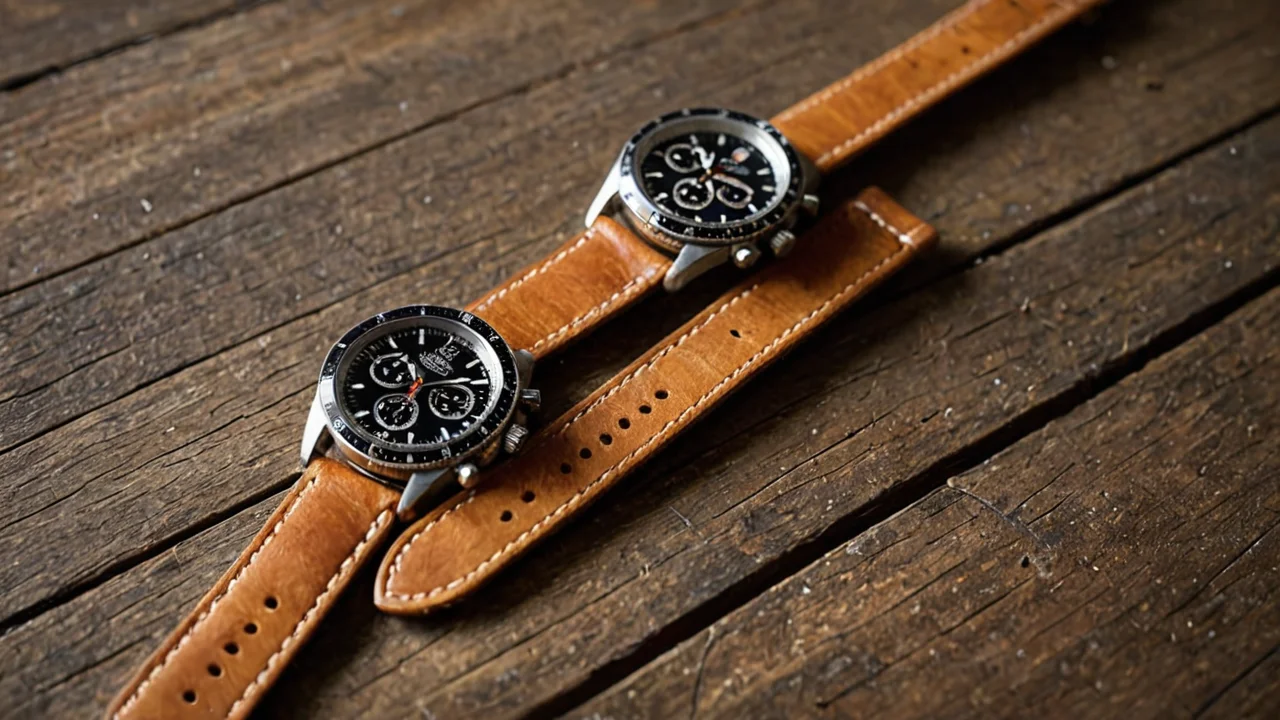
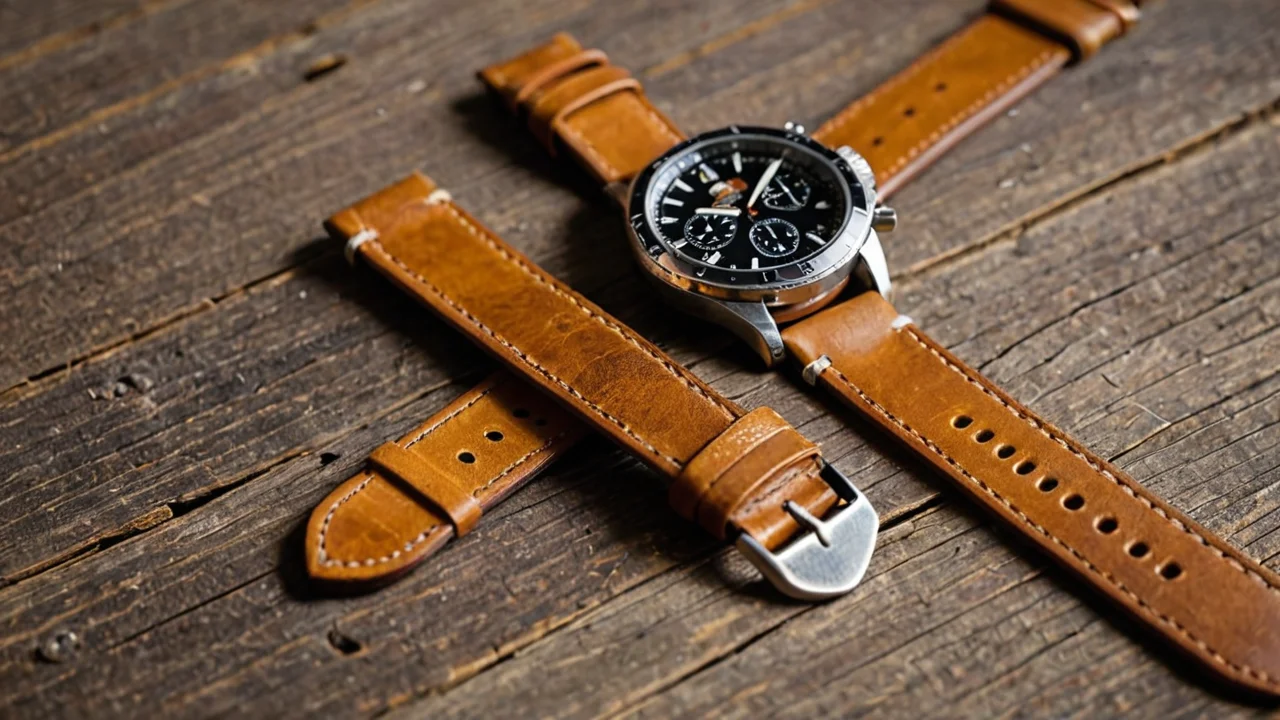
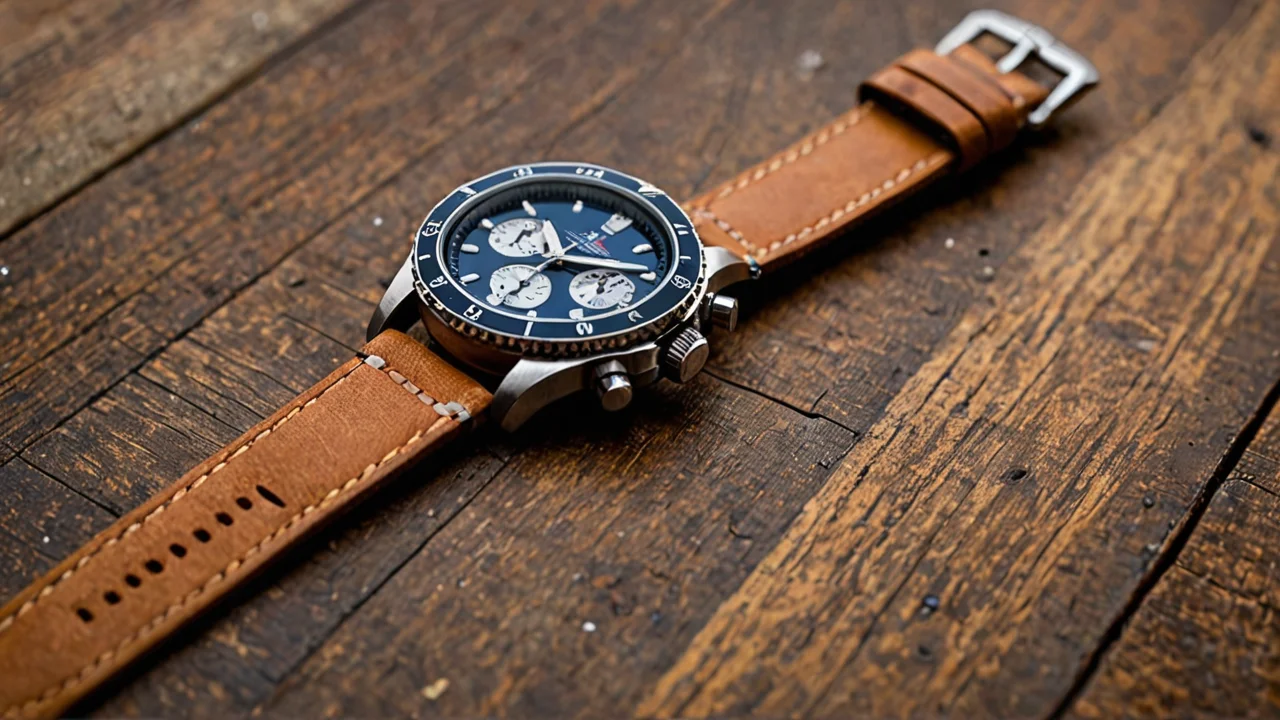
Chronographs are the clearest example of the trade-off. A chronograph watch combines a standard time-keeping display with a stopwatch function, typically using one or more pushers to start, stop, and reset a central seconds hand and sub-dials that record elapsed minutes and hours. Those sub-dials take space: a chronograph sub-dial is a small auxiliary dial displaying a specific part of the elapsed time, such as a 30-minute, 12-hour, or running seconds counter. Three sub-dials on a small dial compress the hour markers and hands into a crowded centre, and the result reads worse than a two-register layout in the same case.
So sizing a chronograph means accepting that the pushers add width to the case's functional footprint and that the sub-dials set a floor on how small the dial can go before it becomes illegible. If you want a chronograph on a small wrist, look for two registers or a bicompax layout and accept the reduced timing range. If you want a full three-register chronograph, size up the case and accept the bulk. You cannot have both at the extreme.
The decisions in order, and what each one costs you
Work through them in this sequence and you won't buy twice. First, measure wrist circumference and flat span. Second, set a maximum lug-to-lug equal to the flat span and a maximum case diameter you're comfortable with. Third, set a thickness ceiling based on whether you wear cuffs. Fourth, decide the water resistance you actually need — a splash rating for daily wear, or a genuine diving rating greater than 1.1 MPa if you dive. Fifth, pick case shape and confirm it against your wrist by trying it or buying with returns. Sixth, match lug width to strap. Only then look at dials.
Each step has a price. A high water resistance rating buys capability and costs height and money. A larger case buys presence and costs comfort and versatility. A smaller case buys wearability and costs dial space, which pushes you toward simpler layouts. A chronograph buys function and costs legibility at small sizes. A thin case buys comfort and often costs water resistance and shock protection. There is no configuration that avoids all of these — there is only the set of trade-offs that matches how you'll actually wear the watch.
The most common sizing mistake is buying to the diameter because it's the number in the listing. The second most common is assuming a high depth rating makes a watch suitable for diving when the watch isn't built to the ISO 6425 standard at all. Buy to your flat span and lug-to-lug first, confirm the water resistance rating matches your real use, and treat every other number as a preference rather than a requirement.
Dive watch sizing: the ISO 6425 numbers that should shape your shortlist
If you actually dive, the water resistance number on the dial is the least interesting figure on the spec sheet — the case height it costs you is the one you'll feel. A genuine ISO 6425 divers' watch must be designed to withstand diving at depths of at least 100 m and pass tests for water resistance, overpressure, legibility in darkness, shock resistance and other performance criteria. That test regime is why a certified diver is thick: crown guards, a screw-down crown and caseback, and a bezel that has to be grippable with gloves all add millimetres you don't get back.
The pressure figures explain the bulk. ISO 6425 verification applies 125% of the rated depth, so a 100 m watch is proven at 125 m equivalent static pressure, and a 300 m-rated ISO 6425 diving watch is tested at 375 m of static water, equal to 37.5 atm. The standard also simulates a working day underwater: 100 m of water (≈10×10⁵ Pa) for 1 hour per day, followed by 3 m of water (≈0.3×10⁵ Pa) for 3 hours per day. None of that is achievable in a slim case, which is the honest trade-off — you are buying height and weight along with the rating.
Size the diver like any other watch, then add the practical constraints. The bezel eats dial opening, so a certified diver in a moderate case reads smaller than a plain three-hander of the same diameter — check the dial opening, not just the case. A rotating bezel also adds width at the edges, and a tall case tips forward on a narrow, bony wrist. If you dive in a wetsuit, the strap or bracelet needs enough adjustment range to clear a sleeve; if you don't dive, a rating above 1.1 MPa buys you nothing you'll use, and you pay for it in cuff clearance every morning.
Sizing a chronograph around its sub-dials, not its case
When you size a chronograph, the sub-dials set the floor on how small the dial can go before it stops being readable — the case diameter is secondary. A chronograph watch combines a standard time-keeping display with a stopwatch function, typically using one or more pushers to start, stop and reset a central seconds hand and sub-dials that record elapsed minutes and hours. A chronograph sub-dial is a small auxiliary dial displaying a specific part of the elapsed time, such as a 30-minute, 12-hour, or running seconds counter. Three of those inside a small dial compress the hour markers and hands into a crowded centre.
Two practical consequences follow. First, the pushers extend the case's functional footprint beyond the quoted diameter, so a chronograph that measures the same as a three-hander on paper occupies more wrist and catches more cuffs. Second, a two-register or bicompax layout fits a smaller wrist better than a three-register, at the cost of timing range. If you want the full three-register layout, size up the case and accept the bulk; you cannot have a compact three-register that stays legible.